

 By
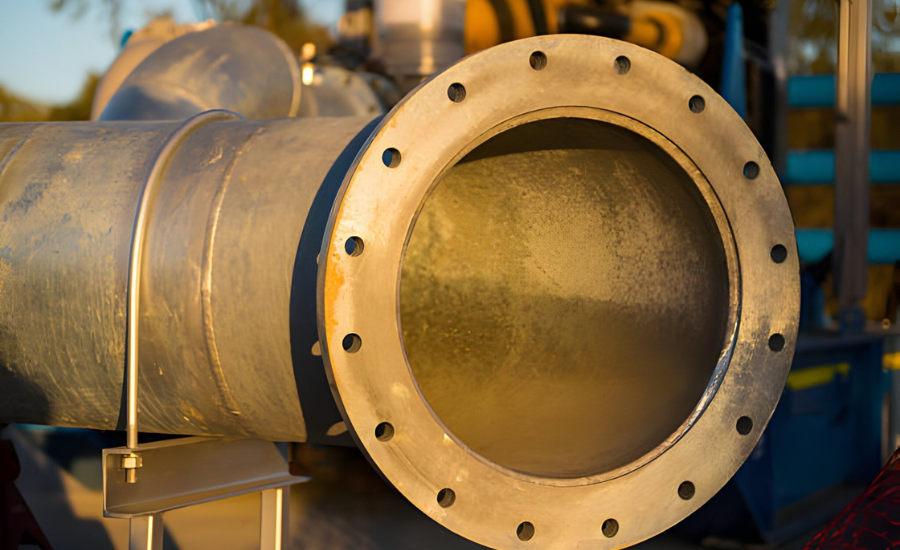
By Flanges are one of the most critical components in piping systems, ensuring secure, leak-proof connections between pipes, valves, pumps, and other equipment. However, selecting the right flange involves more than choosing the correct material or pressure rating—it also requires understanding the various international flange standards.
Among the most widely recognized standards are ASME, DIN, BS, IS, and JIS. Each standard is developed by a different organization and follows specific dimensional, pressure, and manufacturing requirements. Understanding these differences helps engineers, contractors, and procurement teams choose flanges that meet project specifications while ensuring compatibility and safety.
Why Do Flange Standards Matter?
Flange standards define the dimensions, pressure ratings, bolt hole patterns, facing types, tolerances, materials, and testing requirements for flanges. Following standardized specifications ensures that components manufactured by different suppliers can fit together without modifications.
Using the wrong flange standard can lead to installation issues, leakage, costly rework, or even system failure. That’s why identifying the correct standard is an essential part of every piping project.
ASME Flange Standards
The American Society of Mechanical Engineers (ASME) standards are among the most widely used worldwide, particularly in North America, the Middle East, and many international industrial projects.
The most common specification is ASME B16.5, which covers flanges up to 24 inches, while ASME B16.47 addresses larger sizes.
ASME flanges are commonly used in:
- Oil and gas plants
- Refineries
- Power generation
- Petrochemical facilities
- Chemical processing industries
These flanges are available in pressure classes such as Class 150, 300, 600, 900, 1500, and 2500, making them suitable for both standard and high-pressure applications.
DIN Flange Standards
DIN (Deutsches Institut für Normung) standards originated in Germany and are widely adopted across Europe. Today, many DIN specifications have been harmonized under EN standards, but DIN flanges continue to be widely referenced in industrial applications.
DIN flanges typically use pressure ratings designated as PN (Pressure Nominal), including PN6, PN10, PN16, PN25, PN40, PN64, and higher.
DIN flanges are frequently used in:
- Water supply systems
- Chemical industries
- Process plants
- Industrial manufacturing
- Municipal infrastructure
Their metric dimensions make them ideal for projects following European specifications.
BS Flange Standards
British Standards (BS) have long been used throughout the United Kingdom and many Commonwealth countries. Although many BS standards have transitioned into European EN standards, BS flanges remain common in existing industrial facilities and replacement projects.
BS flanges are found in:
- Water treatment plants
- HVAC systems
- Power stations
- Industrial piping
- Building services
Engineers often encounter BS flanges when maintaining older installations or projects built according to British engineering specifications.
IS Flange Standards
Indian Standards (IS) are developed by the Bureau of Indian Standards (BIS) to meet the needs of domestic industries while aligning with international engineering practices.
IS flanges are extensively used across India in sectors such as:
- Oil and gas
- Fertilizer plants
- Water distribution
- Infrastructure projects
- Thermal power plants
- Manufacturing industries
Using IS-compliant flanges helps ensure compatibility with locally manufactured piping systems while meeting national quality requirements.
JIS Flange Standards
Japanese Industrial Standards (JIS) are widely followed in Japan and throughout many Asian countries. JIS flanges have unique dimensions and bolt-hole configurations that differ from ASME and DIN standards.
Common pressure ratings include 5K, 10K, 16K, 20K, and 30K.
JIS flanges are commonly used in:
- Marine engineering
- Shipbuilding
- Chemical plants
- Food processing
- Industrial manufacturing
- Water treatment systems
Because their dimensions differ from other standards, JIS flanges should not be interchanged without careful verification.
Comparison of Major Flange Standards
| Standard | Region of Use | Pressure Designation | Measurement System |
| ASME | North America & Global Industries | Class 150–2500 | Imperial |
| DIN | Europe | PN6–PN160 | Metric |
| BS | United Kingdom & Legacy Projects | PN Ratings | Metric |
| IS | India | PN Ratings | Metric |
| JIS | Japan & Asia | 5K–30K | Metric |
How to Choose the Right Flange Standard
Selecting the appropriate flange standard depends on several factors, including:
- Project specifications
- Geographic location
- Industry regulations
- Equipment compatibility
- Pressure and temperature requirements
- Client or engineering consultant preferences
It’s important to remember that flanges manufactured under different standards are generally not interchangeable, even if they appear similar. Differences in bolt hole spacing, flange thickness, outside diameter, and pressure ratings can prevent proper installation.
Final Thoughts
ASME, DIN, BS, IS, and JIS standards each play a vital role in global industrial piping systems. While they all aim to provide safe and reliable connections, they differ in dimensions, pressure classifications, and regional acceptance.
Before selecting a flange, always verify the required standard specified in your project documentation. Choosing the correct flange standard not only ensures compatibility and reliable performance but also minimizes installation issues, maintenance costs, and long-term operational risks. A thorough understanding of these standards helps engineers and buyers make confident decisions for every piping application.
This article is naturally optimized for SEO with keywords such as Flange Standards, ASME Flanges, DIN Flanges, BS Flanges, IS Flanges, JIS Flanges, industrial piping systems, and pressure ratings, making it suitable for ranking on relevant search queries while remaining easy to read.